
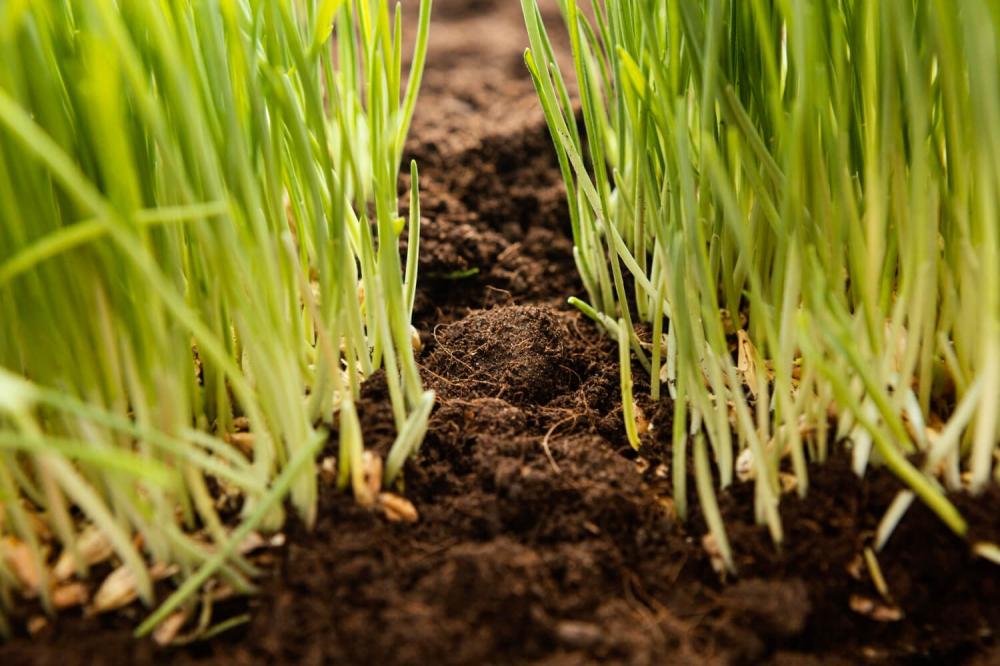
Seeds are the first building block of any successful agricultural project. They are the foundation upon which the quality and quantity of the crop are built in the world of modern agriculture. Choosing the right type of seeds has become a science in itself, especially in regions with special climatic conditions such as the Kingdom of Saudi Arabia. In this comprehensive article, we will review in detail the different types of agricultural seeds, highlight the best options suitable for the Saudi environment, and provide practical tips for choosing seeds for home gardening and taking care of them to ensure a bountiful and profitable harvest.
Types of agricultural seeds
Agricultural seeds are divided into several main types according to their characteristics and methods of production. Here are the types of seeds for planting:
- Open-pollinated seeds are seeds produced by natural pollination by insects, wind, or birds. These seeds are characterized by retaining their basic characteristics across generations if isolated from other types, making them an excellent choice for farmers who wish to preserve their seeds from season to season.
- Hybrid seeds are produced by artificial hybridization between two pure strains to improve certain traits, such as disease resistance or increased productivity. Hybrid seed crops are usually more uniform and vigorous, but second-generation seeds do not retain the same distinctive traits.
- Genetically modified seeds are seeds whose genetic material has been modified to give them traits that do not exist naturally, such as resistance to certain herbicides or drought tolerance, but these seeds are controversial and are subject to strict regulation in most countries.
- Organic seeds are produced from plants grown according to organic farming standards, without the use of pesticides or synthetic chemical fertilizers, and are considered an ideal option for organic and environmental farming.
- Local seeds are traditional types of seeds that have been preserved and passed down through generations, usually for more than 50 years. These seeds are characterized by their high genetic diversity and distinctive flavors, but they may be less resistant to disease than modern varieties.
The importance of choosing the right type of seeds
Choosing the right type of seed is not just a routine step in the agricultural process, but a strategic decision that affects:
- The quality of the final crop: The type of seed determines the size, taste, texture, and nutritional value of the fruit.
- Productivity rate: Some varieties are specially hybridized to give higher productivity in a smaller area.
- Disease and pest resistance: Varieties differ in their ability to resist diseases common in your area.
- Adaptation to climatic conditions: Some seeds are designed to withstand high or low temperatures, or to grow in saline soil.
- Crop shelf life: There are varieties designed to withstand long-distance storage and transportation.
- Economic cost: The right choice can reduce the costs of agricultural inputs such as pesticides and water.
Classifications of agricultural seed types
Seed types for planting can be classified in several other ways in addition to the previous classification:
According to the plant life cycle
- Seeds of annual plants: These seeds grow, bear fruit, and die in one season, such as tomatoes and beans.
- Seeds of biennial plants: They complete their life cycle in two seasons, such as beets and some types of cabbage.
- Seeds of perennial plants: They live for several years, such as mint and basil, after proper pruning.
According to the agricultural season
- Summer crop seeds: Tolerant to high heat, such as eggplant, peppers, and okra.
- Winter crop seeds: They grow best in cold weather, such as lettuce, carrots, and cauliflower.
According to the method of cultivation
- Seeds for direct sowing: These are sown directly into the final soil, such as corn and beans.
- Seeds for seedlings: First, they are sown in nurseries or greenhouses and then transplanted, like tomatoes and peppers.
According to the type of crop
- Organic vegetable seeds such as tomatoes, cucumbers, and lettuce.
- Seeds of cereal crops such as wheat, barley, and corn.
- Seeds of aromatic and medicinal crops such as mint, chamomile, and basil.
- Seeds of forage crops such as alfalfa and sorghum.
Visit Al Talib Store website and discover our wide range of high-quality agricultural seeds specially selected for the Saudi climate.
Best types of seeds for the Saudi climate
The Saudi climate is characterized by high temperatures, dryness, and soil salinity in some areas, which necessitates selecting agricultural seed varieties that are adapted to these conditions:
- Drought and heat tolerant crops such as sorghum, which tolerates drought very well and grows in difficult conditions, and cucurbits such as pumpkins and squash, whose deep roots enable them to access moisture in the lower soil layers.
- Salt-tolerant crops such as barley, which is one of the best salt-tolerant crops, and sugar beets, which tolerate reasonable levels of salinity, in addition to some local wheat varieties that have been developed for cultivation in salt-affected areas.
- Suitable summer vegetables include okra, which thrives in the heat and produces continuously, eggplant, which tolerates heat, especially varieties with dark fruits, and chili peppers, which prefer hot weather and need moderate irrigation.
- Crops grown in greenhouses include cucumbers, especially disease-resistant hybrid varieties, cherry tomatoes, and colored peppers.
- Aromatic plants and spices such as wild thyme, which grows wild in some areas of Saudi Arabia and tolerates drought, hibiscus, which tolerates heat and can be used in drinks, and rosemary, which tolerates drought and thrives in full sun.
How to choose the right seeds for your farm
Choosing the right seeds requires a comprehensive assessment of several factors:
- Soil type: Conduct a soil pH test and check its content of salts and nutrients.
- Water source: Knowing the type of water, whether it is fresh, slightly saline, or highly saline, and its availability.
- Local climate: such as minimum and maximum temperatures, relative humidity and rainfall rate.
- Altitude above sea level: affects temperatures and plant growth.
- Setting farming goals: whether commercial farming, organic farming, or seeds for home gardening.
- Economic feasibility study: Comparison between the cost of hybrid and improved seeds versus increased productivity.
- Learn from the experiences of local farmers: Consult farmers in your area who have grown the crop before.
- Scientific research: Reviewing research and experiments published by universities and agricultural research centers in Saudi Arabia.
- Start with a small experiment: Before committing to growing a large area of a new variety, try it in a small area to evaluate its performance in your own farm conditions.
Tips for buying agricultural seeds
There are several tips when buying seeds for home or commercial farming from Al-Talib Store to ensure the quality of your crops:
- Purchase from trusted sources such as Al Talib Store.
- Read the information on the packaging carefully, such as the expiry date, germination rate, and variety details.
- Check the outer packaging because seeds packaged in airtight cups maintain their viability better.
- Make sure the packaging is intact, undamaged, and shows no signs of moisture or rot.
- Don't always choose the cheapest price, as seed quality greatly affects production.
- Calculate the price of seeds relative to the expected planting area.
Common mistakes when buying seeds
There are many common mistakes when buying seeds; here are some to avoid for best results:
- Purchase varieties that need cool, humid weather to grow in hot, dry regions.
- Older seeds germinate at a lower rate and may produce weak plants.
- Excess seeds lose their viability over time, even with good storage.
- Cheap seeds may be of low-yielding or disease-prone varieties.
- Not storing the seeds properly after purchase, because storing them in hot or humid places causes them to lose their viability.
- Purchasing genetically modified seeds without knowing local laws, as some countries prohibit the import or cultivation of genetically modified seeds.
- Do not keep samples of the seeds in case of germination failure or problems arise, as having a sample helps in determining the cause.
The best store to buy agricultural seeds in Saudi Arabia
Al Talib Store is an ideal destination for farmers and those interested in agriculture at all levels. Here are the reasons why Al Talib Store is the perfect choice:
- Al Talib Store is a well-established agricultural institution that understands the needs of the Saudi farmer and the challenges of agriculture in the local climate.
- The store offers a wide range of seeds including summer and winter vegetable seeds, fruit seeds, forage seeds, ornamental seeds and aromatic plants.
- All seeds in Al Talib store undergo quality checks before sale, which ensures a high and guaranteed germination rate, and accurate and clear information on each package.
- The store team carefully selects items that have proven successful in local conditions, and collaborates with research centers to test and evaluate new items before launching them.
- The store combines high quality and reasonable prices, with regular offers and discounts for regular farmers.
- The store offers seed delivery service throughout the Kingdom, guaranteeing that they will arrive in good condition and in a way that preserves their viability.
- The store offers a variety of agricultural seeds, including organic and heritage seeds that are difficult to find in regular markets.
- All imported seeds in Al Talib store carry official approvals and licenses and comply with Saudi and international regulations.
Conclusion
Choosing the right types of agricultural seeds is a crucial step that determines the fate of the entire agricultural season in the Kingdom of Saudi Arabia, where climatic conditions present a special challenge. This choice becomes even more important by understanding the different types of seeds and the criteria for selecting them, and by utilizing reliable sources such as Al-Talib Agricultural Seed Store. You can contact Al-Talib Store to obtain the best types of seeds via WhatsApp.
Frequently Asked Questions
What is the difference between hybrid seeds and open-pollinated seeds?
Hybrid seeds are produced by artificial hybridization between two pure strains and give high-yielding, homogeneous plants, but their seeds do not retain the same characteristics in the second generation, while open-pollinated seeds are produced naturally and their seeds can be saved from year to year while retaining their basic characteristics.
How do I know if the seeds are suitable for planting in my region?
Read the information on the package carefully and consult the supplier, such as Al Talib Store, about the experiences of local farmers with these varieties. You can also try the variety in a small area before expanding its cultivation.
What is the shelf life of agricultural seeds?
It varies depending on the type of seed and how it is stored. Tomato and eggplant seeds often retain their viability for 4-5 years, while onion and corn seeds only last 1-2 years. Good storage in cool, dry places also prolongs the life of the seeds.
Do you offer organic seeds at Al Talib store?
There is a selection of certified organic seeds available at Al Talib store, with certificates explaining their source and production method. You can inquire about the currently available selection by visiting the website.